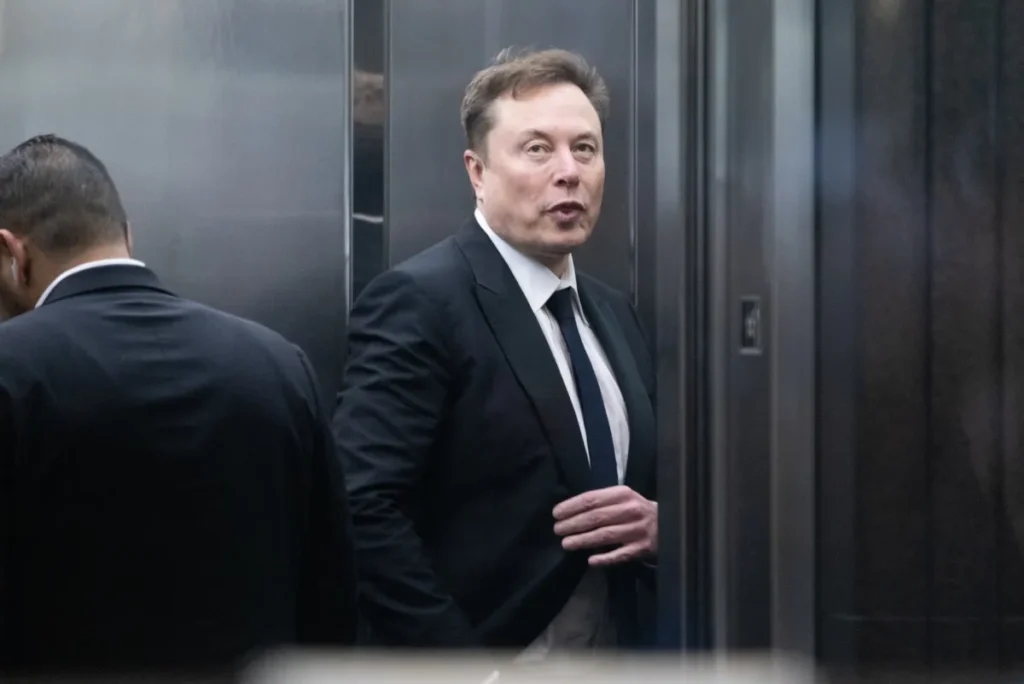

Elon Musk just dropped a bombshell in the ongoing AI model copying saga. In a recent testimony, he admitted that xAI, his AI company, trained Grok on outputs from OpenAI’s models.
This isn’t some side note. It’s a direct admission that one of the most vocal critics of “closed” AI used a competitor’s work to bootstrap his own system. The irony is thick enough to cut with a GPU.
Let me break down what “distillation” actually means here, because the term gets thrown around a lot. In practice, it’s when you take a larger, more capable model (like GPT-4) and use its outputs to train a smaller, cheaper model (like Grok). You’re essentially learning from the teacher’s answers without having to solve the hard problems yourself.
OpenAI has been screaming about this for months. They claim Chinese labs and smaller startups are distilling their models at scale. Now we have evidence that one of the biggest names in tech did the same thing — and he’s the guy who co-founded OpenAI and then sued them.
Musk’s defense? He argued it’s standard practice and that OpenAI itself used public data. That’s technically true, but it’s a weak argument when you’ve spent years accusing OpenAI of being a closed, profit-driven monopoly. If you’re going to play the open source card, you can’t also secretly train on proprietary outputs.
The timing is interesting. This testimony comes as regulators in the EU and US are looking more closely at model copying. Distillation isn’t illegal, but it’s becoming a major point of contention in the AI community. Some argue it’s just efficient knowledge transfer. Others say it’s free-riding on billions of dollars of compute.
I’ve been watching this space long enough to know that every major lab has probably done some form of distillation. The question is whether it’s acceptable when the source model is behind a paywall or API terms of service. OpenAI’s terms explicitly forbid using their outputs to train competing models. Musk’s team either ignored that or assumed they wouldn’t get caught.
What bothers me most is the hypocrisy. Musk has positioned xAI as the transparent alternative to OpenAI. He’s called for AI development to be open and accountable. Yet here we are, with a founder admitting his company used the very models he’s been trashing in public. If you’re going to copy, at least own it upfront instead of waiting for a deposition to spill the beans.
The industry reaction has been predictable. OpenAI’s legal team is probably sharpening their pencils. Smaller developers are saying “see, everyone does it.” And the rest of us are left wondering how much of the AI boom is built on actual innovation versus clever replication.
This doesn’t kill Grok or xAI. But it does put a permanent asterisk next to Musk’s claims of building something from scratch. If you’re training on GPT-4 outputs, you’re not really building a new intelligence — you’re remixing an existing one.
I’d love to see a future where distillation is regulated more clearly. Maybe a mandatory disclosure system where companies have to list which models they trained on. That would at least level the playing field and let consumers know what they’re actually getting.
For now, this testimony is another chapter in the ongoing soap opera of AI drama. Musk vs. OpenAI, distillation vs. innovation, open vs. closed. The only thing that’s clear is that nobody’s hands are completely clean.
Comments (0)
Login Log in to comment.
Be the first to comment!