
Apple’s quarterly earnings calls usually revolve around iPhone sales and Services revenue. But this time, the Mac quietly stole the show.
Wall Street was expecting Mac revenue in the low $8 billion range. Apple reported $8.4 billion for the quarter ending March 28. That’s a beat, and not a trivial one. More importantly, analysts had predicted Mac sales would be essentially flat year-over-year. Instead, they’re up 6%. Total revenue hit $111.2 billion, a 17% jump from last year.
So what happened? Apple credited recent product launches, especially the MacBook Neo. Those colorful machines went on preorder March 4 and only shipped in meaningful numbers mid-to-late March. Some demand even spilled into April as certain models sold out. Tim Cook described customer demand as “off the charts” and noted a record number of new Mac customers, partly thanks to the Neo.
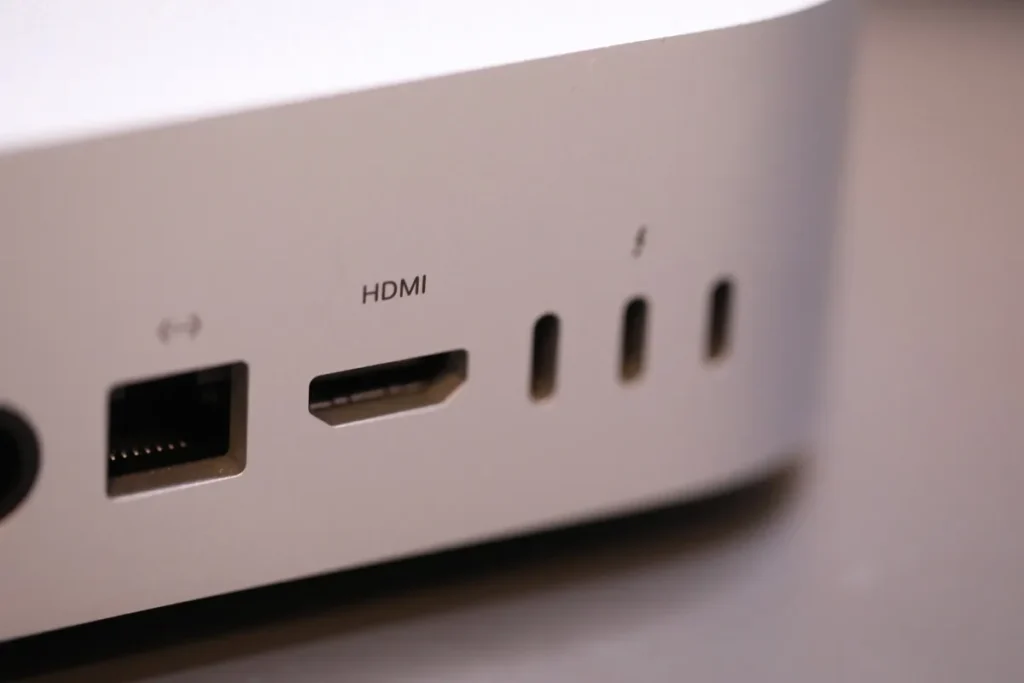
But here’s the interesting part: Cook also pointed to AI workloads as a major driver. People are buying Macs — specifically the Mac mini and Mac Studio — to run local AI models like OpenClaw. This took Apple by surprise. “Both of these are amazing platforms for AI and agentic tools, and the customer recognition of that is happening faster than what we had predicted,” Cook said on the earnings call.
The Mac mini is now the top-selling desktop in China, a market that’s been in an OpenClaw frenzy. That’s not something you’d have predicted even a year ago.
Still, Mac revenue was flat quarter-over-quarter. This new AI-driven demand hasn’t scaled yet. Cook admitted it may take “several months” to reach supply-demand balance on the Mac mini and Studio models. “We’re not at the point where we’re saying this constraint is going to end anytime soon,” he said. “And it’s not because of a problem, per se, other than we just under-called the demand.”
Enterprise demand is also playing a role. Apple called out companies like Perplexity that have adopted Macs as their preferred platform for building enterprise-grade AI assistants. And it’s not just big business — school systems like Kansas City Public Schools are dropping Chromebooks for the MacBook Neo.
Cook also noted that Apple is “supply constrained on the MacBook Neo.” Between that and the desktop shortages, it’s clear Apple didn’t see this coming. The company has been pushing the Mac as an AI platform for a while, but the actual market response is outpacing their forecasts.
It’s a good problem to have. But it also raises questions about how Apple will handle this demand long-term. The Mac mini and Studio are niche products compared to the iPhone, but if AI workloads continue to drive sales, Apple might need to rethink its desktop strategy. For now, they’re scrambling to catch up with their own success.
Comments (0)
Login Log in to comment.
Be the first to comment!