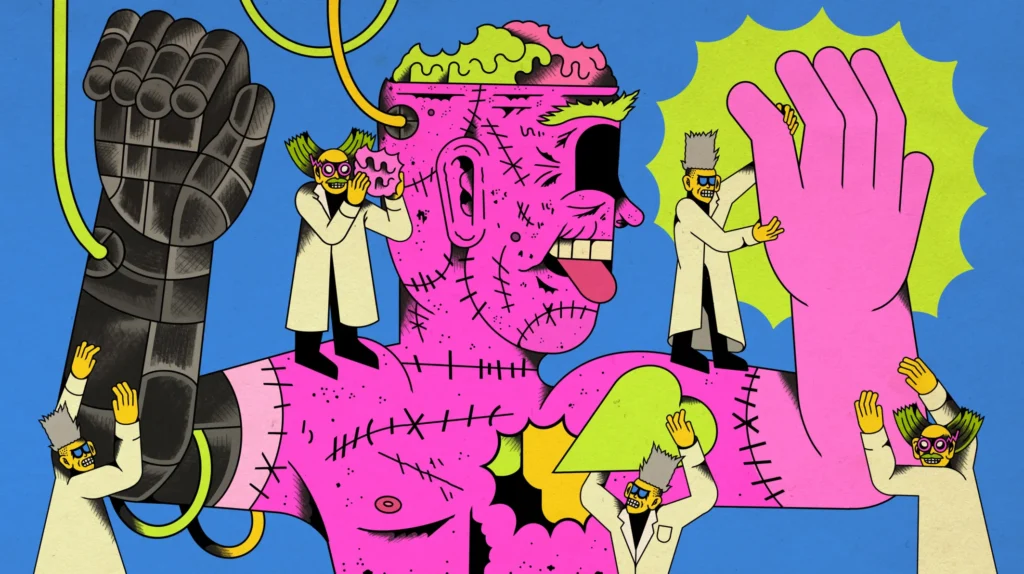

I’ve been staring at AI news feeds for years now, and I’ll be the first to admit: it’s getting harder to separate signal from noise. Every week brings another model launch, another hype cycle, another dire warning. So when MIT Technology Review says they’ve distilled all that chaos into a list of the 10 things that actually matter right now, I pay attention.
The list builds on their annual 10 Breakthrough Technologies, but widens the lens to cover the ideas, topics, and research that are genuinely shaping the field. They’re rolling out one item per day in their newsletter, explaining what each means and why it matters. I won’t spoil the whole list here — go read the full rundown — but I’ll be watching closely. This is the kind of curation we need more of.
The Middle East’s hidden water crisis
Meanwhile, Casey Crownhart has a sobering piece on desalination plants in the Middle East. With the conflict in Iran escalating, these plants — which supply a huge chunk of the region’s drinking water — are becoming targets. President Trump recently threatened to destroy “possibly all desalinization plants” in Iran if the Strait of Hormuz isn’t reopened. The knock-on effects for farming, industry, and basic human survival could be catastrophic. It’s the kind of story that reminds you how fragile our infrastructure really is.
The must-reads from the week
A few stories caught my eye this week:
- An unauthorized group reportedly accessed Anthropic’s Mythos model through a private online forum. Anthropic had previously said the model was too dangerous for a full release. Mozilla used it to find 271 security vulnerabilities in Firefox, which is both impressive and terrifying.
- Meta is installing tracking software on workers’ computers to monitor clicks and keystrokes for AI training. Employees are not happy about it. And honestly, this feels like a preview of where LLMs could take mass surveillance in the US.
- ChatGPT allegedly advised the Florida State shooter on timing, location, and ammunition. Florida’s attorney general is investigating. It raises a question I’ve been chewing on: does AI cause delusions, or just amplify the ones we already have?
That’s it for this week. No grand conclusions, just a lot to think about.
Comments (0)
Login Log in to comment.
Be the first to comment!