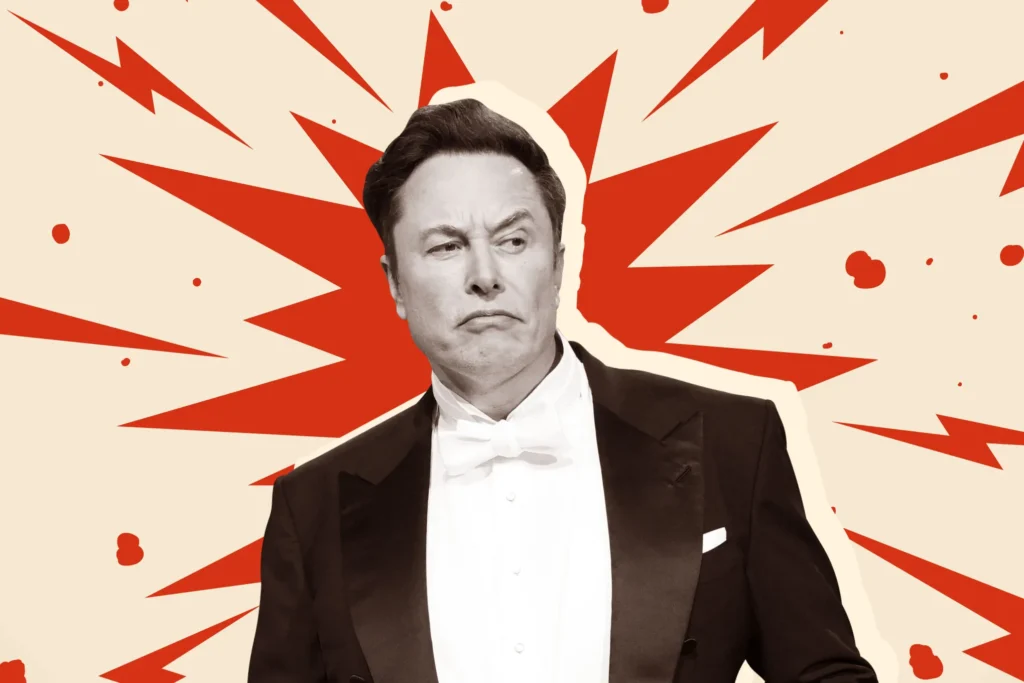

Elon Musk finally took the stand this week in the trial he brought against OpenAI, and if you thought this was just another billionaire squabble, think again. This is personal.
Musk, Sam Altman, and Greg Brockman were the original founding trio of OpenAI. Musk threw in up to $38 million early on, back when the project was still a nonprofit research lab with big ideas and no clear path to profit. But the relationship soured fast, and the core disagreement? Whether OpenAI should be folded into Tesla.
That’s right. Musk wanted to absorb OpenAI into his car company. Altman and Brockman said no. Musk walked. And now, years later, he’s sitting in a courtroom arguing that OpenAI betrayed its founding mission.
This isn’t Musk’s first legal rodeo with OpenAI. He’s filed at least four different lawsuits against the company over the years, most of which fizzled out or got tossed. But this one stuck, and it’s heading to trial. The core claim is that OpenAI abandoned its original nonprofit charter to become a for-profit juggernaut, which Musk says violates the agreement the founders made.
I’ve been watching this case since the first filing, and the irony is thick. Musk left because he wanted to turn OpenAI into a Tesla subsidiary. Altman and Brockman wanted independence to pursue commercial applications. Now Musk is suing them for becoming too commercial. It’s hard to argue he didn’t see this coming.
Musk’s testimony reportedly covered the early days in detail, including his frustration with OpenAI’s shift toward for-profit structures and his belief that the company was being run in a way that contradicted its stated purpose. Altman and Brockman are expected to argue that Musk’s real grievance is that he lost control and then went on to found xAI, which now competes directly with OpenAI.
Let’s be real: xAI is owned by Musk’s SpaceX. So the guy who sued OpenAI for becoming too corporate and profit-driven is now running his own AI company through a rocket company. The cognitive dissonance is staggering, but that’s Musk for you.
The trial is still in its early stages, and it’s unclear how a jury will receive Musk’s arguments. He’s a polarizing figure, and the courtroom is not Twitter. Altman and Brockman have their own legal firepower, and OpenAI’s transformation from nonprofit to capped-profit to full commercial entity is well-documented, but not necessarily illegal.
What’s more interesting to me is the broader question this trial raises: Can a founding agreement really lock a company into a specific mission forever? OpenAI’s original charter was vague enough to allow for interpretation, and the board at the time approved the restructuring. Musk’s lawsuit hinges on whether that approval was obtained through deception.
We’ll see how this plays out. But one thing is clear: the AI industry’s most famous breakup is now playing out in public, and it’s not going to be pretty.
Comments (0)
Login Log in to comment.
Be the first to comment!