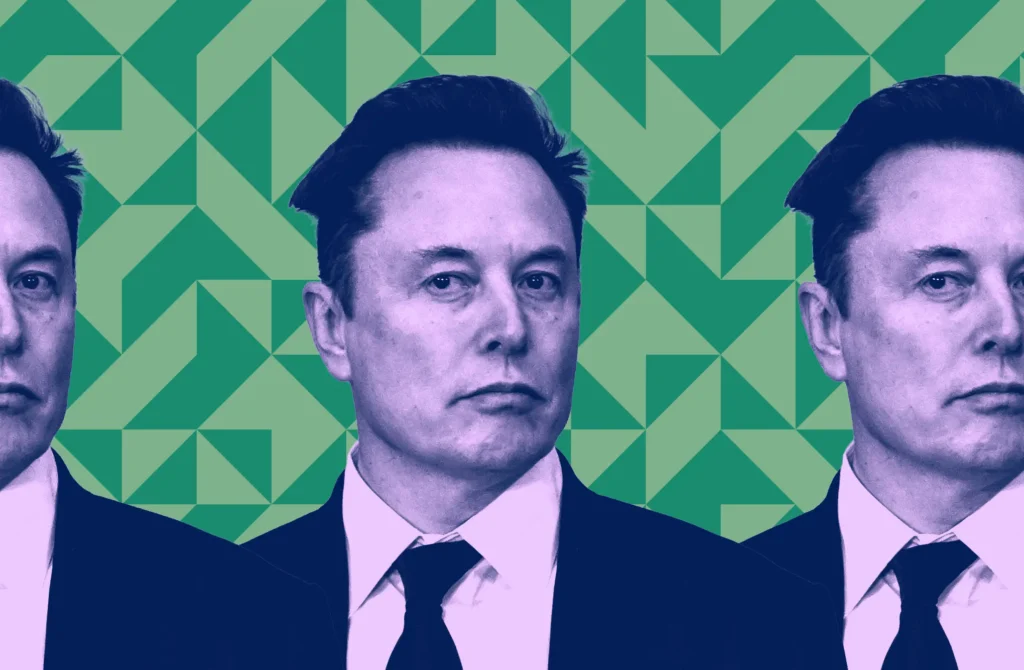

Elon Musk is back in court, and this time he’s not just defending a tweet or a stock move. He’s on the stand in the high-profile trial against Sam Altman, his former co-founder at OpenAI. And true to form, Musk is telling the jury a story—his story, from the very beginning.
He went all the way back to his childhood in South Africa, then to arriving in Canada for college with nothing but “$2,500 in Canadian travelers’ checks and a bag of clothes and books.” He walked through Zip2, PayPal, Tesla, SpaceX, the whole familiar arc. It took an unusually long time for a witness statement, but Musk clearly wanted to set a tone.
Why? Because the man who may be the world’s richest person on any given day wants the jury to see him not as a billionaire in a legal spat, but as a visionary who’s been fighting for humanity since day one. That’s the framing: he’s not suing for money or ego. He’s suing because he believes Altman and the current OpenAI board have betrayed the original mission of safe, open AI development.
Look, I’ve watched Musk give this kind of testimony before. He’s not a natural fit for a courtroom—he rambles, he gets philosophical, and he occasionally veers into territory that makes lawyers wince. But this time, the narrative is tighter. The message is: I started this to save the world, and now they’re running it like a for-profit machine that could doom us all.
Is it true? Partially. Musk did co-found OpenAI as a nonprofit with a lofty mission. But he also left the board in 2018, and since then, the company has become a massive commercial entity under Microsoft’s wing. Musk’s own AI venture, xAI, is now a direct competitor. So the line between altruism and business rivalry is blurry at best.
What’s interesting here is how the jury might receive this. Musk is not a universally beloved figure. His antics on X (formerly Twitter), his erratic management style, and his tendency to over-promise have worn thin with many. But in a courtroom, stripped of memes and soundbites, he can be surprisingly compelling when he talks about existential risk.
He’s betting that the jury will buy the hero narrative. And frankly, it’s a smarter legal strategy than attacking Altman’s character or getting into technical weeds about GPT-4 safety protocols. If Musk can make this about saving humanity versus corporate greed, he’s got a shot.
But let’s not pretend this is pure philanthropy. Musk is also trying to unwind OpenAI’s for-profit structure, which would benefit xAI directly. He’s not a saint—he’s a competitor with a compelling origin story and a very good legal team.
The trial is far from over, but one thing is clear: Musk is putting his entire personal mythology on the line. If the jury buys it, he wins. If they see through it, he loses more than just the case.
Comments (0)
Login Log in to comment.
Be the first to comment!