
Maine was about to make national headlines for doing something no state has done before: slam the brakes on every new data center, everywhere in the state, for over a year. Then Governor Janet Mills vetoed the bill.
LD 307 would have imposed a statewide moratorium on new data center construction until November 1, 2027. That’s the kind of aggressive pause that gets the industry’s attention. But Mills wasn’t buying it.
Her veto message called the bill “a blunt instrument” that could hurt economic development without addressing the real problems. She’s not wrong, but I think she’s also dodging a conversation that’s long overdue.
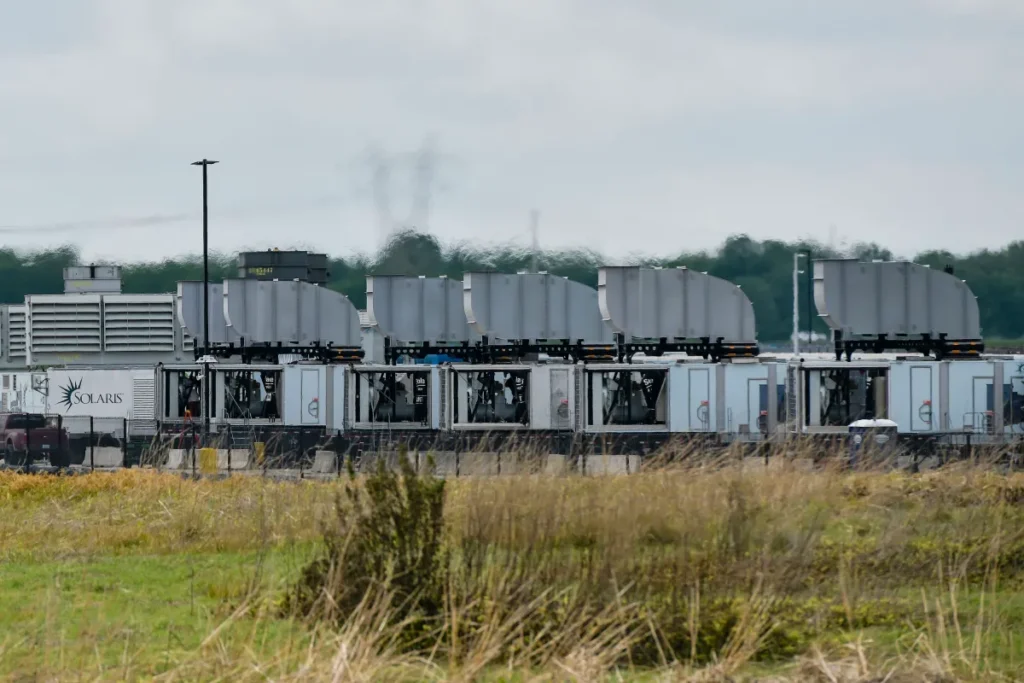
Data centers are power hogs. Everyone knows this. A single large facility can draw as much electricity as a small city. And with AI workloads exploding — training models that chew through gigawatts — the pressure on local grids is getting ridiculous. Maine’s grid isn’t exactly Texas-sized, so a few big data centers could strain things fast.
But a flat moratorium? That’s the nuclear option. It doesn’t distinguish between a hyperscaler building a 500MW campus and a small colo facility adding a few racks. It treats everyone the same, which is why Mills pushed back.
Still, I get why the bill’s sponsors were frustrated. Data center siting decisions are often opaque, environmental reviews are slow, and local communities don’t always have a say until the bulldozers show up. A pause to study the impacts isn’t unreasonable on its face.
The problem is that moratoriums are politically fragile. They’re easy to veto because they feel like a ban, not a plan. Mills suggested an alternative: a task force to study data center impacts and propose regulations. That sounds reasonable, but task forces have a habit of producing reports that gather dust.
What Maine really needs is something between a total freeze and business-as-usual. Maybe stricter environmental review thresholds. Maybe a requirement for grid impact studies before permits are issued. Maybe a cap on total data center capacity per utility zone. Other states are experimenting with these approaches.
Virginia, for example, has a data center boom that’s straining Dominion Energy’s grid. They’re not imposing moratoriums, but they are pushing for more transparency on power purchase agreements and grid upgrades. That’s a more surgical approach.
Mills’ veto keeps Maine open for business, but it also leaves the underlying tensions unresolved. Data centers bring jobs and tax revenue, but they also bring noise, water use, and carbon footprint questions. Maine’s renewable energy goals don’t align well with 24/7 power draws from facilities that rarely shut down.
I’d have liked to see a compromise bill — something that mandates environmental review for facilities over a certain size, or requires a public hearing for any data center that would consume more than 1% of a county’s electricity. That would give communities a voice without scaring off investment.
Instead, we’re back to square one. The bill is dead. The governor says she’ll form a task force. We’ll see if that leads anywhere real, or if it’s just a way to kick the can past the next election cycle.
Maine isn’t the only state wrestling with this. New York, Oregon, and even some counties in California have debated similar pauses. The data center industry is growing faster than most regulators can keep up with, and that mismatch is only going to get worse.
What Maine did here — or rather, didn’t do — is a signal. It says “we’re not ready to say no yet.” But it also says “we don’t have a better answer.” And in the meantime, the power plants keep running, the cooling towers keep humming, and the rest of us keep wondering when someone will actually draw a line.
Comments (0)
Login Log in to comment.
Be the first to comment!