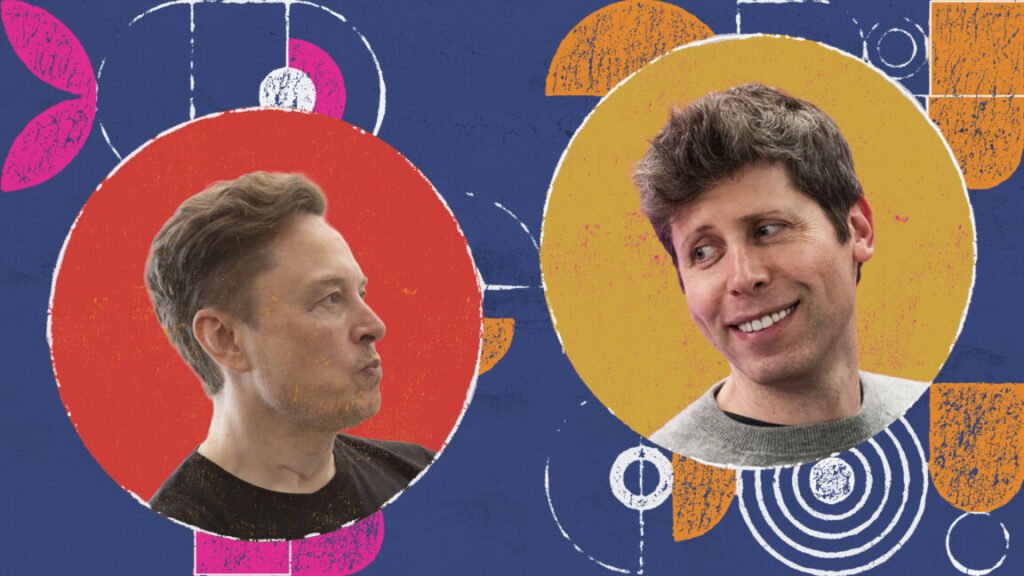

The trial everyone in AI has been dreading—or secretly hoping for—finally starts this week. Elon Musk is taking on Sam Altman and OpenAI, and the outcome could reshape the entire industry.
Musk’s argument is simple: OpenAI, under Altman, abandoned its original nonprofit mission. The promise was to develop artificial intelligence for the benefit of humanity, not for billionaires to get richer. Now, with a for-profit arm and a valuation in the stratosphere, Musk says that promise is broken.
Sure, it’s easy to write this off as a grudge match between two egos the size of small planets. Musk was an early donor and advisor before walking away. Altman now runs the show. There’s history, there’s bad blood, and there’s definitely some personal score-settling going on.
But this lawsuit is about more than billionaire drama. The stakes are genuinely high.
If Musk wins, OpenAI’s for-profit structure gets dismantled. That means no more massive capital injections from Microsoft and others to fund the nonprofit’s research. The whole model—where a for-profit arm bankrolls a nonprofit mission—collapses. Greg Brockman and Sam Altman could be removed as officers. Altman might even lose his board seat.
That’s a nuclear outcome. OpenAI would have to figure out how to fund its work without the commercial revenue stream it’s been building. The nonprofit would survive, but it would be a shadow of what it is today.
I’ve seen this play out before in other tech domains—nonprofits that start with noble intentions and then slowly morph into something else as money gets involved. The difference here is the scale. We’re talking about the company that built GPT-4 and is racing toward AGI. The governance of that effort matters.
What’s interesting is that even OpenAI insiders are reportedly losing trust in Altman’s commitment to the original mission. That’s not a good sign. When the people building the thing start to doubt the person leading it, you’ve got a deeper problem than any lawsuit can fix.
The trial will likely get ugly. Discovery documents are probably going to reveal all sorts of messy internal debates, emails that look bad in hindsight, and decisions made for reasons that weren’t entirely altruistic. Musk’s legal team will have a field day with that.
Altman’s defense will probably center on the idea that you can’t build safe AGI without massive resources, and those resources only come from commercial operations. It’s the same argument every mission-driven startup makes when it sells out: “We had to compromise to survive.”
Maybe that’s true. Maybe it’s not. The court will decide.
Either way, this trial is going to set a precedent for how AI companies can structure themselves. If Musk wins, every AI nonprofit thinking about adding a for-profit arm will think twice. If Altman wins, the door is wide open for other organizations to follow the same playbook.
I’m not taking sides here. Both guys have their flaws. But the question at the heart of this case is one we should all be asking: Can you build AI for everyone when you’re funded by the few?
Comments (0)
Login Log in to comment.
Be the first to comment!