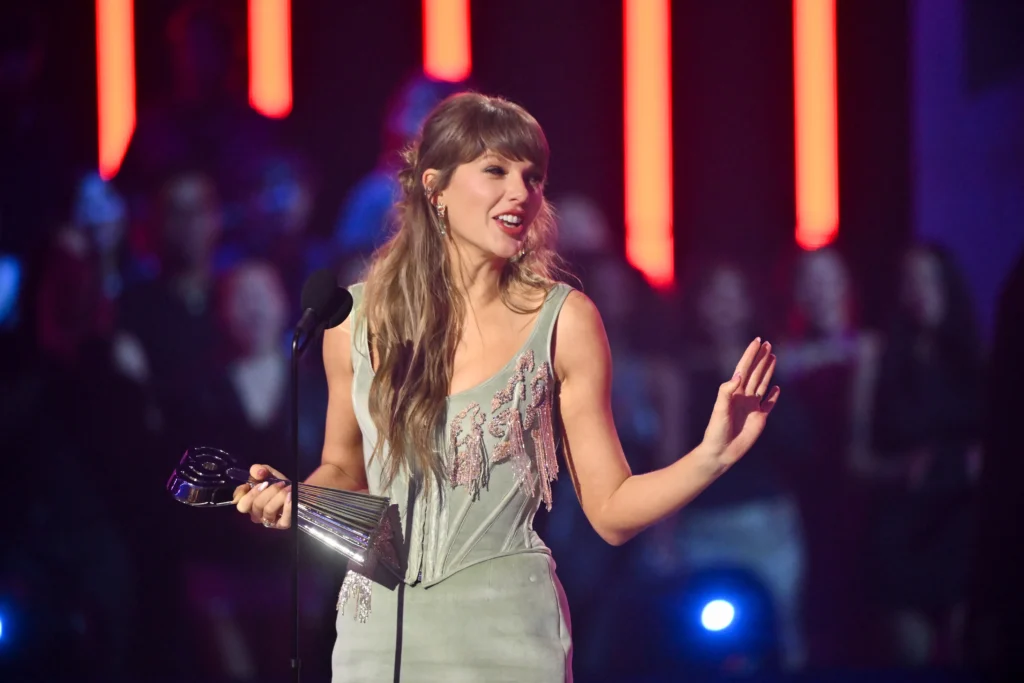

Scammers have found a new favorite tool: deepfake videos of Taylor Swift, Rihanna, and other A-list celebrities. According to authentication company Copyleaks, TikTok is currently flooded with AI-generated ads that look like legitimate interviews or red carpet moments, but are actually bait for shady services.
The ads typically show celebrities in familiar settings—podcasts, talk shows, award show interviews—and they’re often built by manipulating real footage with AI. The pitch? Rewards programs that promise easy money for watching TikTok content and giving feedback. Some even slap TikTok’s official branding on the ads to look legit. But click through, and you’re redirected to third-party services that ask for your personal information.
One particularly convincing example features a realistic AI avatar of Swift urging users to sign up. It’s unsettling because the tech is good enough to fool casual viewers. Copyleaks didn’t name specific accounts, but the pattern is clear: these aren’t amateurish fakes. They’re polished, timed to ride celebrity news cycles, and designed to harvest data.
This isn’t a new problem, but it’s accelerating. Deepfake scams have been around for a while, but TikTok’s recommendation algorithm makes them especially dangerous. A single viral video can reach millions before moderation catches up. And since the platform relies heavily on user reports and automated detection, many of these ads fly under the radar for hours or days.
What bothers me is how little has changed since the last wave of deepfake scandals. We saw this with fake celebrity endorsements on Facebook, then on YouTube, now on TikTok. The platforms always promise to do better, but the scammers adapt faster. TikTok’s moderation team is understaffed, and AI-generated content is getting harder to distinguish from real footage.
If you see a celebrity offering you money for watching videos, assume it’s a scam. No, Taylor Swift isn’t personally recruiting reviewers for a rewards program. No, Rihanna isn’t promoting a crypto scheme from a podcast green room. These are bots wearing famous faces.
Copyleaks’ report is a reminder that deepfake detection tools are still playing catch-up. The company’s own tech flagged these videos, but that doesn’t mean TikTok’s systems will catch them in time. Until platforms invest seriously in real-time detection and human review, we’re going to keep seeing this cycle repeat.
Comments (0)
Login Log in to comment.
Be the first to comment!