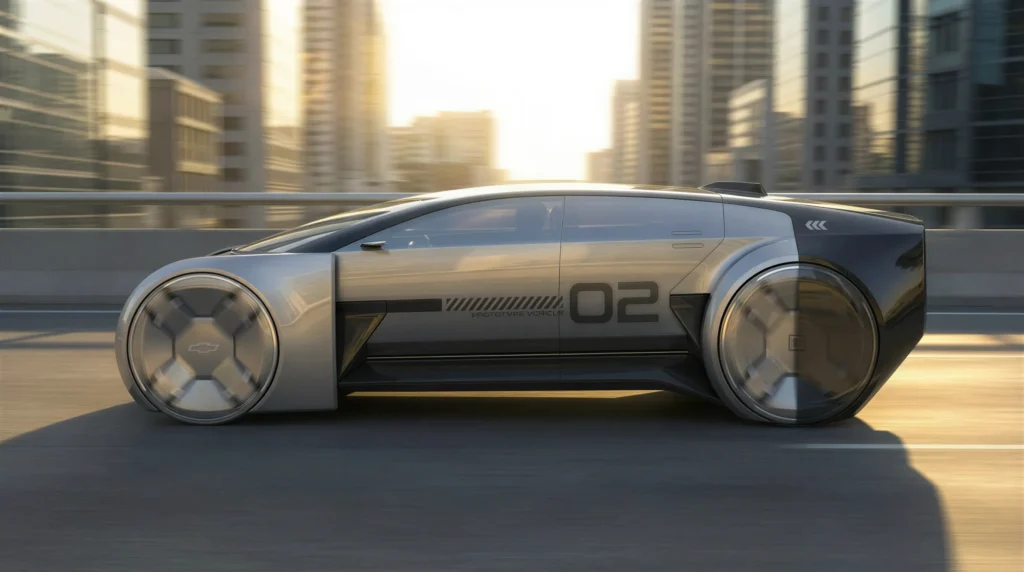

The auto design world is full of advanced 3D visualization tools and VR sculpting platforms, but your average new car still enters the world as a sketch.
Those sketches traditionally see endless iteration and refinement from all angles before being turned into 3D models by hand, some dying in the digital world, others sculpted into clay to better visualize lines and profiles. That’s just the beginning of a design and development process that often takes a half-decade or more.
That means many new cars hitting dealerships this summer were first sketched in 2020 or 2021, initiatives kicked off when alternative fuel incentives were widespread and the world looked very different. It’s a painfully slow pipeline.
Which is why the idea of AI-assisted car design has been floating around for years. Generative models can spit out hundreds of exterior variations in minutes. They can optimize for aerodynamics, interior space, or even pedestrian safety. But the question has always been: can an AI actually design something that looks good, feels cohesive, and doesn’t scream “uncanny valley”?
We’re starting to get a real answer.
A handful of automakers have quietly been feeding their design libraries into neural networks. The results are now showing up in concept cars and, in a few cases, production models. The AI isn’t taking over the whole process — it’s acting more like a tireless junior designer that never sleeps and never gets precious about its work.
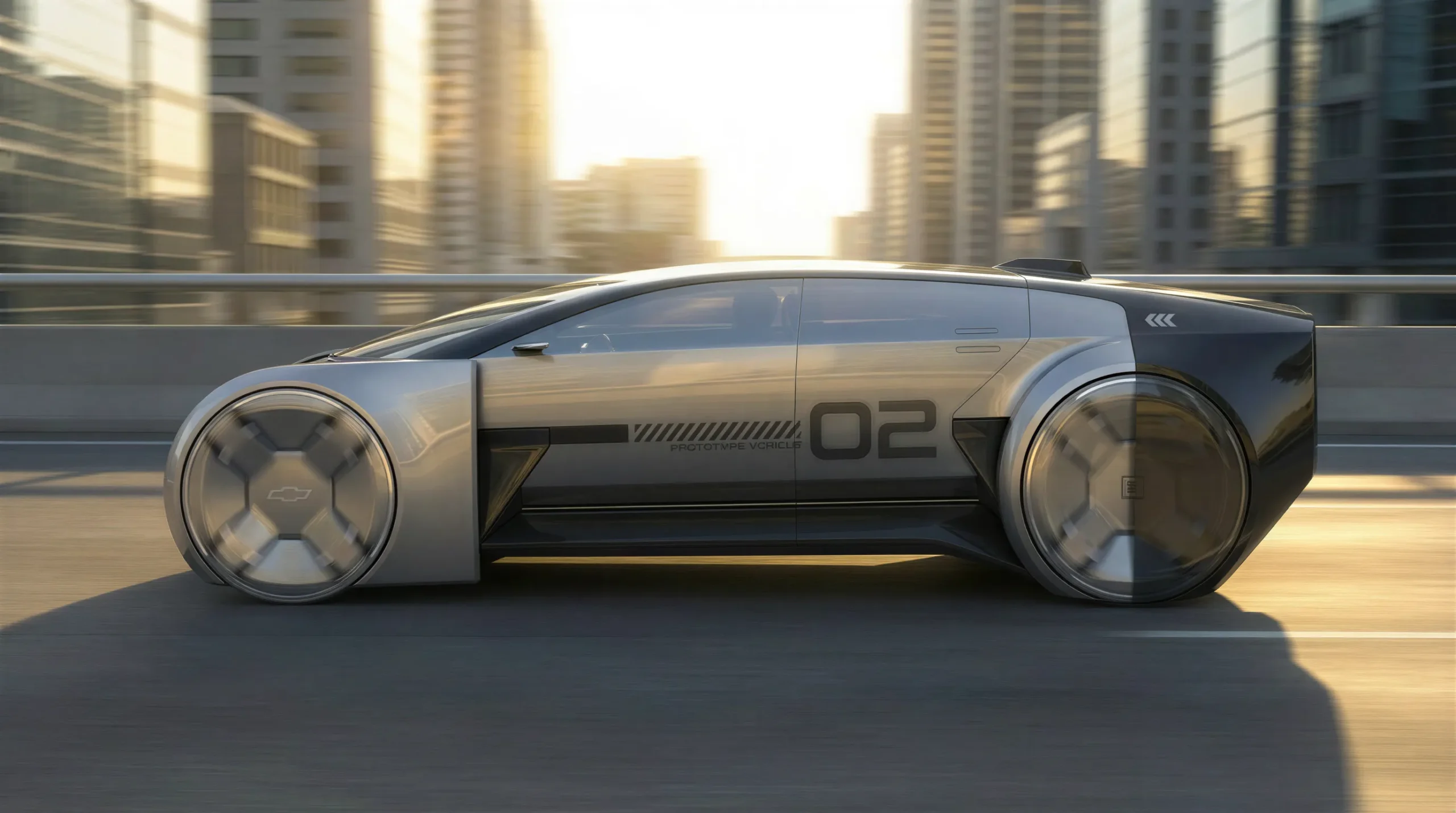
What’s interesting is how different the AI-generated designs look from human ones. They tend to favor smoother, more organic surfaces. Sharp creases and aggressive angles are rare. The AI seems to gravitate toward shapes that flow like water, which makes sense given its training data often includes biological forms and optimized structures.
Some of these designs are genuinely striking. Others look like a melted sedan that got left in the sun. The hit rate is improving fast, though.
I got to sit in one of these AI-designed interiors recently, and the weirdest part wasn’t the dashboard layout or the door panel textures. It was realizing that no human had ever consciously decided on those proportions. The AI optimized for comfort and visibility, sure, but it didn’t care about “brand identity” or “design language.” The result felt functional but slightly alien.
That’s the tension, isn’t it? Cars are emotional purchases. People buy them because they look cool, or aggressive, or elegant. An AI that optimizes purely for efficiency might give you a vehicle that’s perfectly logical but emotionally sterile.
Still, the clock is ticking. The traditional five-year design cycle is a liability when competitors can iterate in weeks. Expect to see more automakers quietly adopting AI tools not just for rendering or simulation, but for actual generative design work.
The cars hitting the road in 2028 or 2029? They might have been dreamed up by a neural network, refined by a human designer, and sculpted — at least digitally — entirely by algorithms. And honestly, some of them might look better than anything a human could draw.
Comments (0)
Login Log in to comment.
Be the first to comment!